
- 1135 views
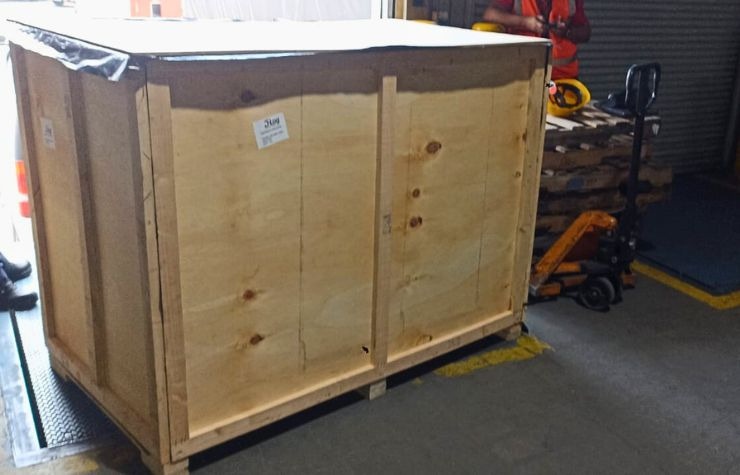
Secure Packaging: 5 Keys to ICA Certified Crates in Foreign Trade
In international logistics, packaging serves a critical dual function: protecting the physical merchandise and ensuring compliance with global phytosanitary regulations. The use of wood in cargo transport (pallets, boxes, and crates) is strictly regulated to prevent biological risks.
Below, we explore five critical aspects of why the use of wood certified and endorsed by the ICA (Colombian Agricultural Institute) is a non-negotiable requirement for a successful export operation.
1. Why is ICA certification mandatory for wooden packaging in exports?
ICA certification is not an optional bureaucratic procedure; it is the guarantee that Colombia complies with international plant protection standards. The ICA regulates and supervises that all wood used for packaging destined for export has undergone specific treatments to eliminate pests.
Without this endorsement, the packaging is considered a biological risk vector. Most receiving countries require this certificate to allow the merchandise to be unloaded. Having ICA-certified crates ensures that the exporter complies with Colombian legislation and international trade treaties, acting as a "phytosanitary passport" for the cargo.
2. What phytosanitary risks are avoided by using treated and certified wood?
Untreated natural wood can harbor insects, larvae, fungi, or nematodes which, when transported to another ecosystem, can become devastating pests for the local flora of the destination country.
The use of crates made with certified wood guarantees that the material has undergone a heat treatment (HT) or fumigation process according to the standard. This eliminates any living organism present in the wood. By using certified packaging, companies actively contribute to global biosecurity, preventing the spread of quarantine pests that could affect the agriculture and forests of other nations.
3. What is the ISPM 15 standard and how does it relate to certified crates?
ISPM 15 (International Standard for Phytosanitary Measures No. 15) is the global standard regulated by the International Plant Protection Convention (IPPC). This standard establishes guidelines to regulate wood packaging material in international trade.
In Colombia, the ICA is the entity in charge of ensuring compliance with ISPM 15. When speaking of a "certified crate", reference is made to packaging that strictly complies with the parameters of this international standard. This means that the wood has been debarked and heat-treated (reaching a minimum temperature of 56°C for 30 continuous minutes at the core of the wood) to ensure its safety.
4. What are the operational and legal consequences of exporting with uncertified wood?
Attempting to export merchandise in crates that lack the certification seal or whose treatment is unverifiable carries severe risks. Customs authorities at the port of destination have the power to:
- Refuse entry: The cargo can be returned immediately to the country of origin, generating double freight costs.
- Quarantine and treatment at destination: The cargo can be held for forced fumigation, implying high costs and significant delays in delivery.
- Destruction of the cargo: In extreme cases, authorities can order the incineration of the packaging and, occasionally, of the contained merchandise if it cannot be safely separated.
In addition to reputational damage, these incidents can result in legal sanctions and fines for the exporter for non-compliance with international regulations.
5. How is it visually identified that a crate complies with the regulations?
Traceability is an essential component of certification. An ICA-certified crate compliant with ISPM 15 must bear a visible, legible, and permanent mark or seal (usually heat-branded or stamped with indelible ink) on at least two opposite faces of the packaging. This seal must contain specific information:
- The IPPC symbol: A stylized ear of wheat.
- The country code: In this case, "CO" for Colombia.
- The manufacturer code: A unique number assigned by the ICA to the company authorized to perform the treatment.
- The treatment code: Generally "HT" (Heat Treatment) or "MB" (Methyl Bromide).
The presence of this seal is the physical proof before any customs inspector in the world that the wood is safe to enter their territory.